Feeds:
Posts
Comments

Archive for the ‘The Civil Magistrate’ Category

While doing some research in a related area, I ran into this first article by Torrance Kirby in the great Italian Reformer, Peter Martyr Vermigli. I know rather little of him, though he has been recognized as a major figure alongside Calving, Bullinger, etc. I wasn’t aware of how involved he was with the Church of England. As of the moment, I haven’t read the following two I post here, but they look similarly interesting. Here’s the source for these online.

(more…)

Read Full Post »

Pope Leo apparently just said, “Someone who says ‘I’m against abortion but says I am in favor of the death penalty’ is not really pro-life.”

Thomas Aquinas said, “Therefore if a man be dangerous and infectious to the community, on account of some sin, it is praiseworthy and advantageous that he be killed in order to safeguard the common good . . . .” (ST IIa-IIae, q. 64, a. 2).

And, “It is permissible to kill a criminal if this is necessary for the welfare of the whole community. However, this right belongs only to the one entrusted with the care of the whole community — just as a doctor may cut off an infected limb, since he has been entrusted with the care of the health of the whole body” (ST IIa-IIae, q. 64, a. 3).

Rome the same, “everywhere, always, by all,” right?

Semper protestans!

Read Full Post »

The following are quotes are from A Body of Practical Divinity (1838 edition):

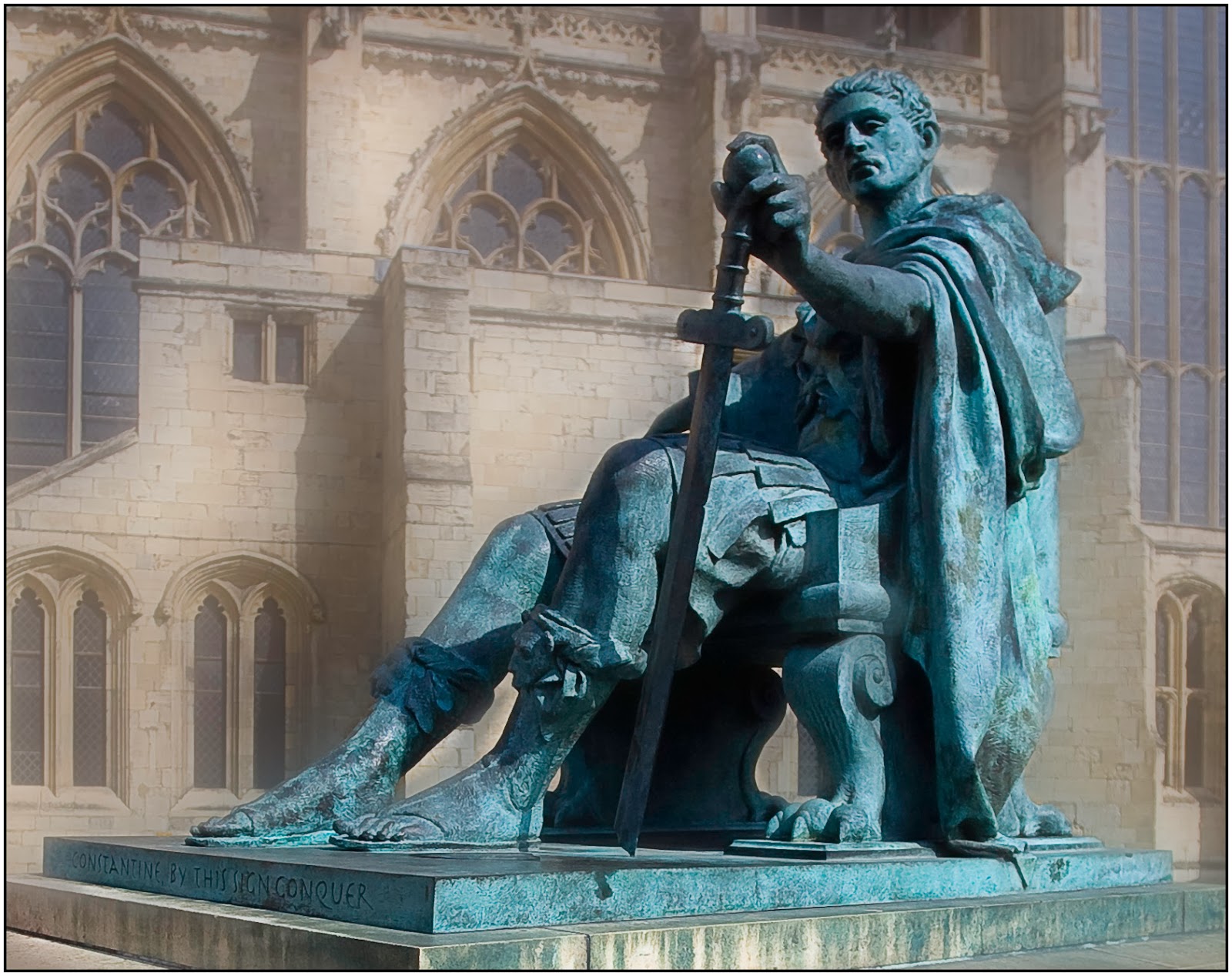
“We glorify God, when we give God the glory of all we do. . . . As the silk-worm, when she weaves her curious work, she hides herself under the silk, and is not seen; so when we have done Constantine did use to write the name of Christ over his door, so should we write the name of Christ over our duties; let him wear the garland of praise” (27).

“The word being begun to be preached, hear it with reverence and holy attention. ‘A certain woman, named Lydia, attended unto the things which were spoken of Paul.’ Acts 16: 14. Constantine, the emperor, was noted for his reverent attention to the word” (381).

(more…)

Read Full Post »

“We presume it to be agreed on both sides, that the outcast millions ought to be reclaimed from the ignorance and irreligion of heathenism. The only difference relates to the party at whose expense this great achievement ought to be perfected —whether by private Christians, under the impulse of a religious benevolence; or by an enlightened government under the impulse of a paternal regard for the highest weal of its subject population. We, the advocates of a National Establishment, hold it the duty and wisdom of every state, thus to undertake for the education of the great family under its charge, and to provide the requisite funds for the fulfilment of the enterprise—and this without prejudice, but the contrary, to the liberality of those individuals, who might choose of their own means to build more churches, and maintain more ministers—thus adding to the amount of Christian instruction in the land. Our antagonists on the other hand hold this to be only the fitting work of individuals, whether acting separately or in associated bodies—to be their concern, and theirs exclusively; and that the government of a country should have nothing to do with it” (Chalmers, Works 17:258-59).

Read Full Post »

Bumped into this online. Looks to have been a handout for public middle or high school students. Was pleasantly surprised over the lack of spite for the Puritans. A more balanced, secular treatment. And I’m for a major rethink of our criminal justice system. I think moderate corporal punishment is much more humane for many criminals than simply throwing them into a cage with other hardened animals for years on end.

“A whip for the horse, a bridle for the ass, and a rod for the fool’s back” (Prov. 26:3).

Read Full Post »

“And it shall be, if the wicked man be worthy to be beaten, that the judge shall cause him to lie down, and to be beaten before his face, according to his fault, by a certain number.  Forty stripes he may give him, and not exceed: lest, if he should exceed, and beat him above these with many stripes, then thy brother should seem vile unto thee” (Deut. 25.2-3).

“Now it follows: That the wicked man shall be condemned according to his desert. There is here no mention of such offences as were to be punished by death. For if there were murder committed, or adultery, or such like thing; they were punished by death. We have seen how God commanded that all such kinds of wickedness should be utterly rooted out: but here he speaks but of such injuries as deserve some other chastisement. And that is the cause why it is said, That the malefactor shall be punished according to his desert, yet so has he shall not have above forty stripes. For they used a whip made of an oxe hide, to chastise them which dealt wrongfully and outrageously with their neighbor, always provided that the offence deserved not death. It is said: That they shall not pass the number of forty strips. And why? To the intent that the man should not be mangled or disfigured in his body, but remain whole and found. You see then in effect what is here declared, to wit, first that the sentence must not be given in vain: and secondly that some moderation must be used, so as the rigor be not excessive. . . .

“Moreover secondly in this place here is mention made of moderating the chastisements which are used. For the judges ought always to consider that they fit in justice in the behalf of God, and therefore into that seat which is holy and dedicated to the doing of right, they may not bring their own passions, to feed their own choler, and to deal crossly and overwartly as they themselves lift. God therefore in saying, that there shall be a certain number of stripes, declares expressly that there must be a reasonable measure used in punishing. Verily when a man is not to be clean rooted out, but to live still in the world, God will not have him maimed that he should become unprofitable as touching h is body. For what a thing were it if a man should be so rigorously handled as to be made a cripple so as he can no more help himself? It were better he had been put to death at the first, than to be left to pine away in this world, and to be as a block. Now therefore when a man is to be left alive still, GOD will have the judges to ave a regard that he be not beaten of scourged in such wise as he disfigured or made unable to help himself. That is the very thing which God will have men to look unto.”

Calvin, Sermons on Deuteronomy, in loc.


Read Full Post »