Feeds:
Posts
Comments

Archive for the ‘Political Theory & Theology’ Category

Once again, good material from Timon Cline. The original address on which he comments is pretty interesting as well, though Timon rounds things off so as not to dismiss all legitimate interest by the commonwealth on the national birthrate.

Read Full Post »

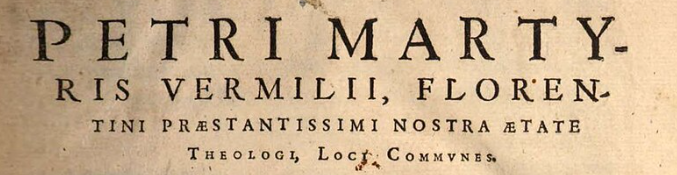
While doing some research in a related area, I ran into this first article by Torrance Kirby in the great Italian Reformer, Peter Martyr Vermigli. I know rather little of him, though he has been recognized as a major figure alongside Calving, Bullinger, etc. I wasn’t aware of how involved he was with the Church of England. As of the moment, I haven’t read the following two I post here, but they look similarly interesting. Here’s the source for these online.

(more…)

Read Full Post »

I came across this excellent piece by Virgil Walker, entitled “The Moment the Mask Slipped: How Christian Nationalism Opened the Door to Ethnic Hostility.” Extremely well-written, poignant, and so needed in the present hour. I also appreciate how he writes from a position of real sympathy for nationalism, patriotism, and acknowledgment of racial diversity—at least, as defined with confessional “guardrails.” This is hardly another tired liberal, globalist harangue, tone-deaf to real fears and grievances of young white Americans. In doing this, I think he meets those ‘halfway’ who find themselves drawn to the more radical online provocateurs out there.

I haven’t fact-checked this. What little I have done lends credibility to this account. But if anyone has evidence to the contrary, send me a note: michael@reformedparish.com.

* * * * *

There are moments in cultural life when an undercurrent becomes undeniable—when quiet tremors surge into a cultural earthquake.

This week was one of those moments.

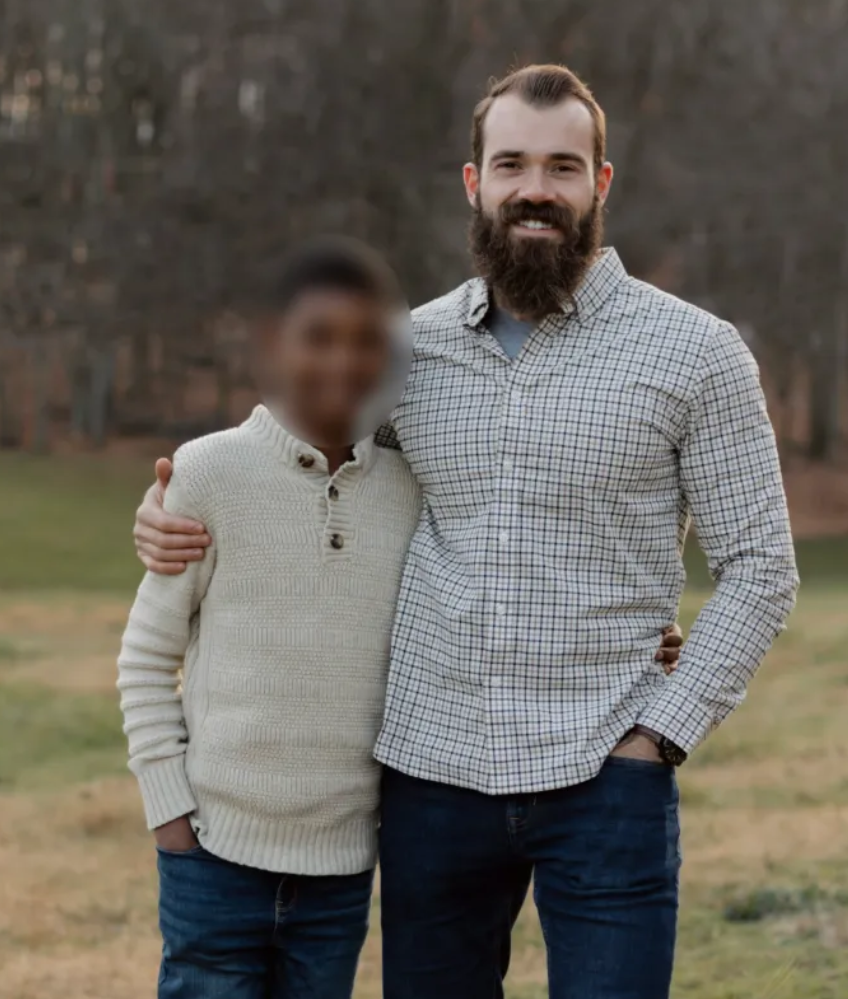
A friend and brother in Christ, Alex Kocman, posted a simple photo of his adopted son turning thirteen. A family milestone. A request for prayer. A moment Christians should instinctively celebrate.

But the post detonated into more than seven million views.
And what followed wasn’t merely disagreement. It wasn’t a debate about prudence or policy.

It was ethnic hostility.
Open. Public. Unmasked.

Comments attacking the child’s dignity.
Insinuations that a white father “wasted his time” on a black boy.
Suggestions that adoption should be limited to “your own kind.”
Warnings that interracial families “destroy the West.”
Accusations that bringing a child into the home from another ethnicity is “inviting a foreigner into your bloodline.”

And here’s what matters:

Many of those voices weren’t from atheists, leftists, or anonymous trolls.
They came from people who openly identify with Christian Nationalism.

Not the entire movement.
But a growing, vocal, unrestrained wing of it.

And that’s exactly what I warned about long before this week.

Read the rest here.

Read Full Post »

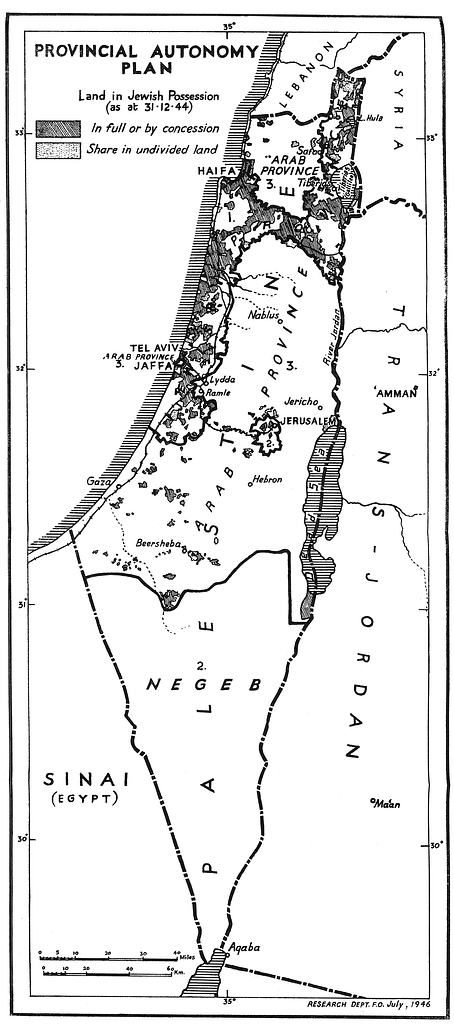
A friend shared this very helpful article about a year ago that explores the actual contours of how Scottish Presbyterians dealt with Jewish questions, the emergence of the nation-state of Israel, and the very problematic other-rail of Dispensationalism in modern evangelicalism. It is very regrettable in the current context that there isn’t much nuance in how our Reformed fathers approached Jewish questions vis-a-vis the errors of J.N. Darby and his ilk. Abstract here:

(more…)

Read Full Post »

The following is drawn from William Ames’ Marrow of Theology 2.16, “Of Justice and Charity toward our neighbour.” A Reformed orthodox treatment of the ordo amoris or order of love.

* * * * *

13. The order of this charity is this: that God is first and chiefly to be loved by charity, and so he is, as it were, the formal reason for this charity toward our neighbour. Next after God we are bound to love ourselves, namely with that charity which respects true blessedness; for loving God himself with a love of union, we love ourselves immediately with that chief charity which respects our spiritual blessedness. But secondarily, we should love others whom we would have partake of the same good with us. Moreover, others may be deprived of this blessedness without our fault, but we ourselves cannot; and therefore we are more bound to will and to seek this blessedness for ourselves than for others.

14. This is why the love of ourselves has the force of a rule or a measure for the love of others: You shall love your neighbour as yourself.

15. Hence it is never lawful to commit any sin for another’s sake, even though our offence may seem small, and to be a chief good which we should seek for another. For he that wittingly and willingly sins, hates his own soul. Pro 8.36, He that sins against me, offers violence to his own soul. Pro 29.24. He that partakes with a thief, hates himself: he hears cursing and does not declare it.

(more…)

Read Full Post »

The following is a six-part series of articles by my father-in-law, Brian Myers, who is a long-standing elder in our Des Moines, Iowa congregation of the Presbyterian Reformed Church on the subject of the Scottish Covenanters, the Reformed Presbyterians, and political dissent. It really is an extremely helpful overview of the subject from the perspective of confessional Presbyterians today who accept the basic legitimacy of the Revolution Church of 1690, who oppose separation and schism, and who allow a legitimate place for voting in the modern democratic political order without the compromise of original Presbyterian principles. Well worth your time.

1. Political Dissent Part One: A Practice Searches For A Doctrine

2. Political Dissent Part Two: The Doctrine Articulated

3. Political Dissent Part Three: A Shift To A New Cause

4. Political Dissent Part Four: Change And Division

5. Political Dissent Part Five: The U.S. Constitution

6. Political Dissent Part Six: Conclusion

Read Full Post »

This author is evidently not orthodox, but some good history and analysis here nonetheless. Not sure what I think of his central thesis in the second, but certainly good grist for the mill.

Read Full Post »