
The following is a passage from David Calderwood’s The Pastor and the Prelate (1628), a short and very punchy treatise contrasting the godly Presbyterian pastor’s mentality over and against the worldly, time-serving prelate (bishop, etc.) of the episcopal Church under the Stuarts. In this chapter, he shows how the “pastor” far better serves the interests of the commonwealth and the good of the social fabric of society, while the “prelate” is a barnacle if not a blight upon the kingdom. One particular area is in their two very different approaches to education—or shall we say, Christian public education! I’m almost done audio-recording the book; present uploads here for your listening pleasure.
* * * *
The PASTOR would have learning to grow, and, considering that schools and colleges are both the seminary of the commonwealth and the Lebanon of God for building the temple desireth earnestly that there might be a school in every congregation, that the people might be more civil, and might more easily learn the grounds of religion; he would have the best engines chosen and provided to the students’ places in universities, the worthiest and best men to the places of teachers, who might faithfully keep the arts and sciences from corruption, and especially the truth of religion, as the holy fire that came down from heaven was kept by the Levites: he desireth the rewards of learning to be given to the worthiest, and, after they have received them, that they be faithful in their places, lest by loitering and laziness they become both unprofitable and unlearned.
The PRELATE is not so desirous of learning in himself as of ignorance in others, that he only may be eminent both in kirk and commonwealth, and all others may render him blind obedience and respect. He devoureth that himself which should entertain particular schools: he filleth the places of students without trial of their engines, to please his friends and suitors, contrary to the will of the masters and the acts of the foundations: he filleth the places of learning not with the most learned, but the wealthiest sort, who, for any vigilance of his, might both corrupt the human sciences and bring strange fire into the house ofGod. If a learned man happen to attain to one of their highest places, which they call the rewards of learning, incontinent, their learning beginneth to decay, and their former gifts to wither away. So that their great places and prelacies either find them or make them unlearned.
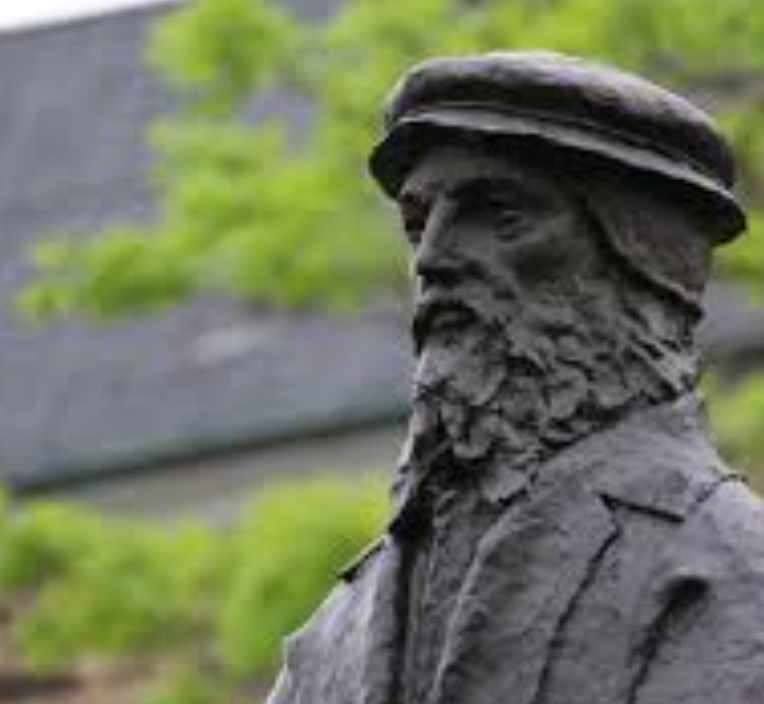
 Thomas Chalmers (1780-1847) sharing about how the Tron church Sabbath school leadership worked through disciplinary issues with their sometimes rowdy students. Insightful and amusing!
 “The Assembly, considering that the long-waited-for fruits of the Gospel, so mercifully planted and preserved in this land, and the reformation of ourselves and families, so solemnly vowed to God of late in our Covenant, cannot take effect except the knowledge and worship of God be caried from the pulpit to every family within each parish, hath, therefore, appointed that every minister, besides his paines on the Lord’s day, shall have weekly catechising of some part of the paroch, and not altogether cast over the examination of the people till a little before the communion. Also, that in every familie the worship of God be erected where it is not both morning and evening, and that the children and servants be catechised at home by the masters of the families, whereof account shall be taken by the minister and elders assisting him in the visitation of every family; and, lest they fail, that visitation of the severall kirks be seriously followed by every Presbyterie, for this end among others. The execution and successe whereof, being tried by the Synods, let it be represented to the next Generall Assembly.
 West Port Experiment